Exploring the Future of Influencer Marketing in the Indian Market


The Current Landscape of Influencer Marketing in India
Influencer marketing in India has seen a tremendous rise over the past few years. Social media platforms like Instagram, YouTube, and TikTok have become key players in connecting brands with their target audiences. The power of influencers lies in their ability to create authentic and relatable content that resonates with their followers. As a result, businesses are increasingly leveraging influencers to amplify their marketing strategies.
The Shift Towards Niche Influencers
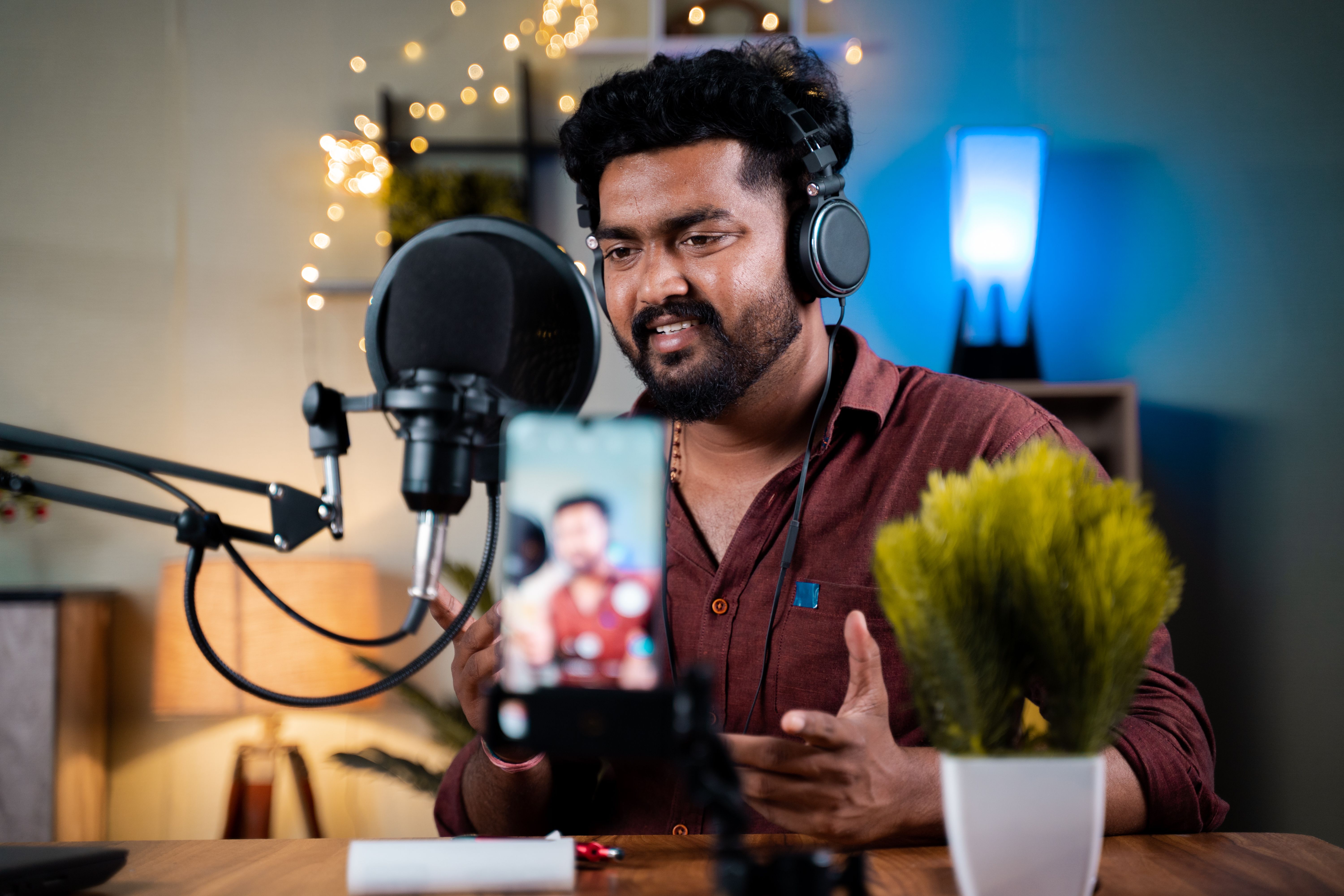
As the market matures, brands are moving towards collaborating with niche influencers rather than those with massive followings. These micro and nano influencers, who have a dedicated audience in specific sectors, often provide higher engagement rates. Their followers value their opinions and trust their recommendations, making them valuable partners for brands looking to penetrate niche markets.
Moreover, niche influencers can offer more targeted marketing opportunities. For example, a beauty brand might collaborate with a makeup artist influencer, while a tech company might partner with a gadget reviewer. This specificity allows brands to reach their ideal customers more effectively.
The Role of Technology in Influencer Marketing
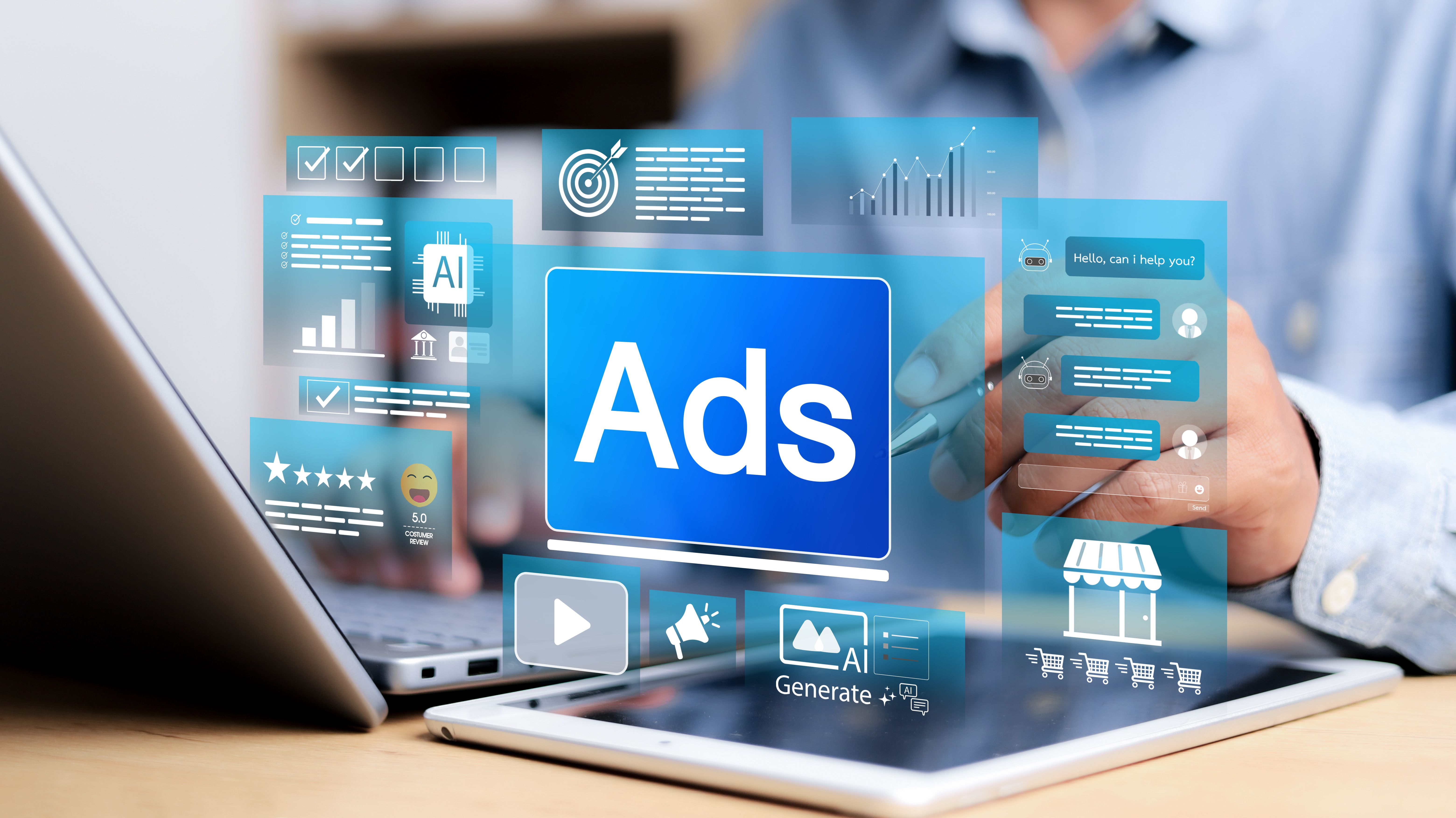
Technology is playing an increasingly vital role in shaping the future of influencer marketing. With the help of AI and analytics, brands can now measure the effectiveness of their influencer campaigns with greater accuracy. These tools help in tracking engagement, reach, and conversion rates, enabling brands to make data-driven decisions.
Emerging Platforms and Trends
New platforms and trends are continually emerging in the influencer marketing landscape. Apps like Moj and Chingari are gaining popularity in India, offering fresh opportunities for influencers and brands alike. Additionally, live streaming and interactive content are becoming more prevalent, allowing influencers to engage with their audiences in real-time.
Brands are also exploring the use of augmented reality (AR) and virtual reality (VR) to create immersive experiences. This innovation provides a unique way for consumers to interact with products and services, enhancing the overall brand experience.
Regulatory Changes and Ethical Considerations
As influencer marketing grows, so does the need for transparency and ethical practices. The Advertising Standards Council of India (ASCI) has introduced guidelines to ensure that sponsored content is clearly identifiable. This move aims to maintain trust between influencers and their audiences, promoting honesty in advertising.

The Future Outlook
Looking ahead, the future of influencer marketing in India appears promising. As internet penetration continues to increase, more individuals are gaining access to digital platforms. This growth presents a vast array of opportunities for brands to connect with diverse demographics across the country.
Furthermore, as Gen Z becomes a more significant consumer segment, brands will need to adapt their strategies to align with their preferences. This generation values authenticity and social responsibility, pushing brands to prioritize these aspects in their campaigns.
Conclusion
In conclusion, the future of influencer marketing in India is set to be dynamic and innovative. Brands that stay ahead of the curve by embracing new technologies, platforms, and ethical standards will likely thrive in this evolving landscape. By leveraging the power of influencers, businesses can tap into a rich and diverse market, fostering meaningful connections with consumers.