Myth-Busting Influencer Marketing in India: What Really Works?


Understanding Influencer Marketing in India
Influencer marketing has emerged as a powerful tool in India, driven by the country's diverse population and rapidly growing digital ecosystem. However, misconceptions abound regarding its effectiveness and implementation. This blog post aims to debunk some common myths and shed light on what truly works in the Indian context.
Myth: Influencer Marketing is Only for Big Brands
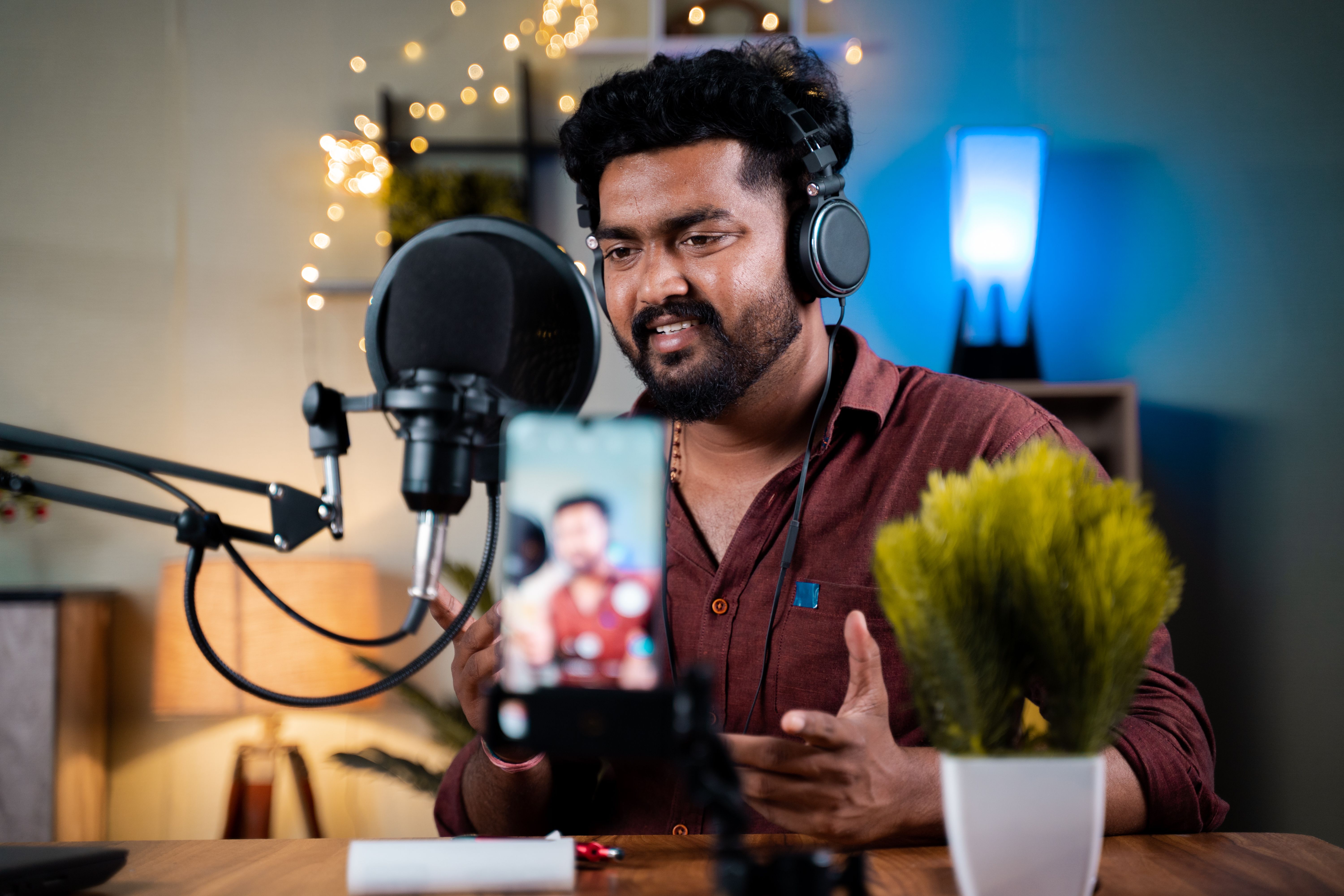
One prevalent myth is that only large, established brands can afford influencer marketing. In reality, influencer marketing is highly scalable and can be tailored to fit any budget. Small and medium enterprises (SMEs) can collaborate with micro and nano influencers who have a strong, engaged follower base, often yielding significant returns on investment.
Myth: More Followers Mean More Success
It's a common misconception that the success of an influencer campaign is directly proportional to the number of followers. While a large following can boost visibility, the key is engagement. Influencers with smaller, but highly engaged audiences often drive more meaningful interactions and conversions. Authenticity and trust are crucial metrics to consider.
Strategies That Really Work
Authenticity Over Perfection
In India, audiences are increasingly valuing authenticity over polished content. Influencers who share genuine experiences, even if imperfect, tend to resonate more with their followers. Brands should encourage influencers to maintain their unique voice and style rather than pushing for overly scripted content.
Leveraging Regional Influencers
India's regional diversity offers a unique opportunity for brands to tap into local markets. Collaborating with regional influencers allows brands to connect with specific communities in their native language, creating a more personalized and impactful engagement.

Measuring Success Beyond Likes
Focus on KPIs That Matter
Instead of focusing solely on likes and comments, brands should define clear objectives and key performance indicators (KPIs) that align with their marketing goals. This could include metrics like website traffic, lead generation, or sales conversions, providing a more holistic view of a campaign's success.
Building Long-Term Relationships
Long-term collaborations with influencers can build stronger relationships and trust, leading to more consistent and authentic messaging. By working closely with influencers over time, brands can create a loyal community that feels genuinely connected to the brand's values and offerings.
Conclusion
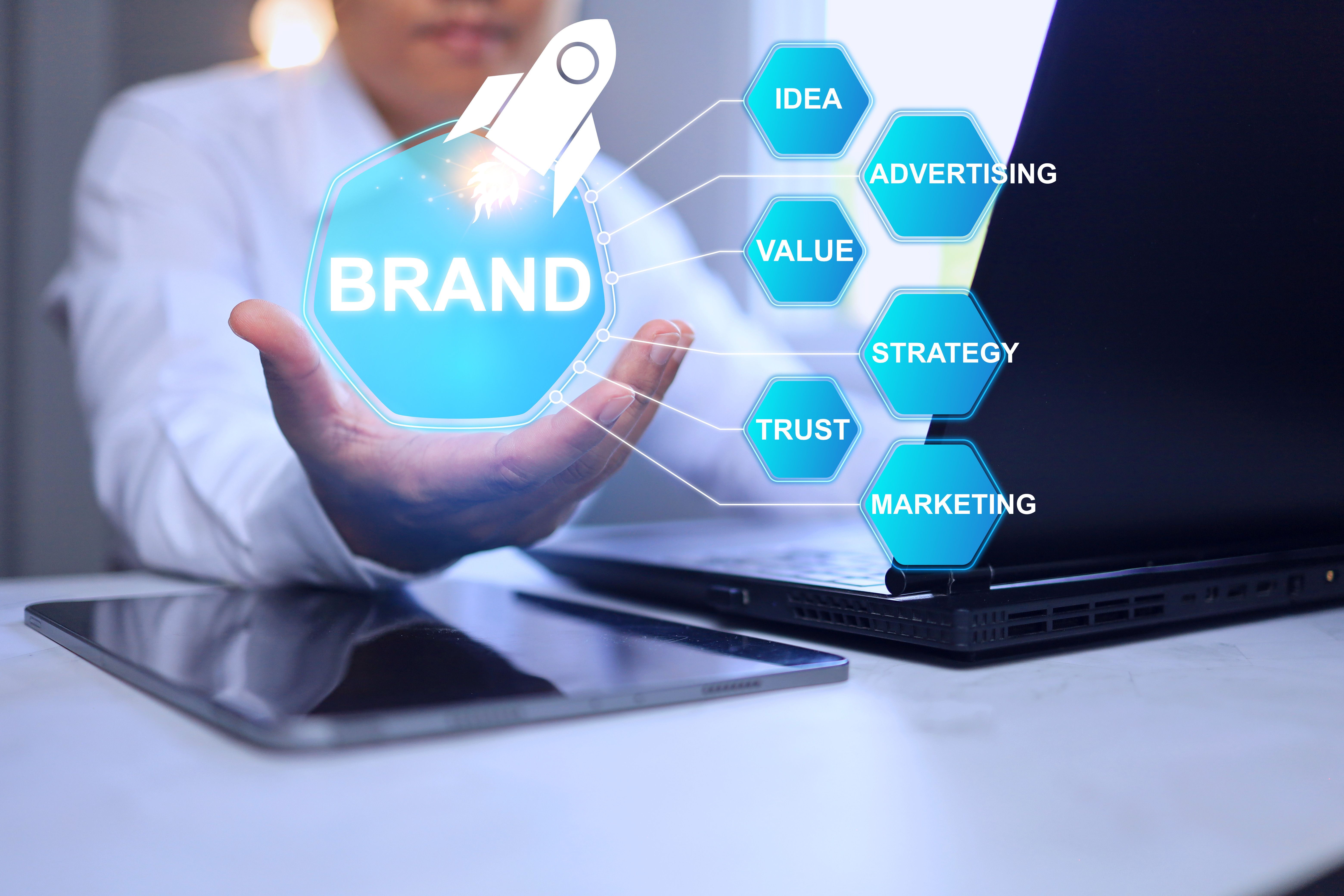
Influencer marketing in India is a dynamic and evolving landscape. By debunking myths and focusing on strategies that prioritize authenticity, engagement, and regional diversity, brands can effectively harness the power of influencers to achieve their marketing objectives. The key is to stay adaptable and responsive to the changing preferences of the audience.